Query the world, track changes, and predict what's next.
We’re building a semantic layer that turns 3D reconstructions into spatial knowledge so people and machines can understand what’s there, how objects relate, and what actions are possible.
One spatial data layer that connects what a place looks like with what it contains, how it works, and how it changes.
From 3D geometry to real-world understanding
-
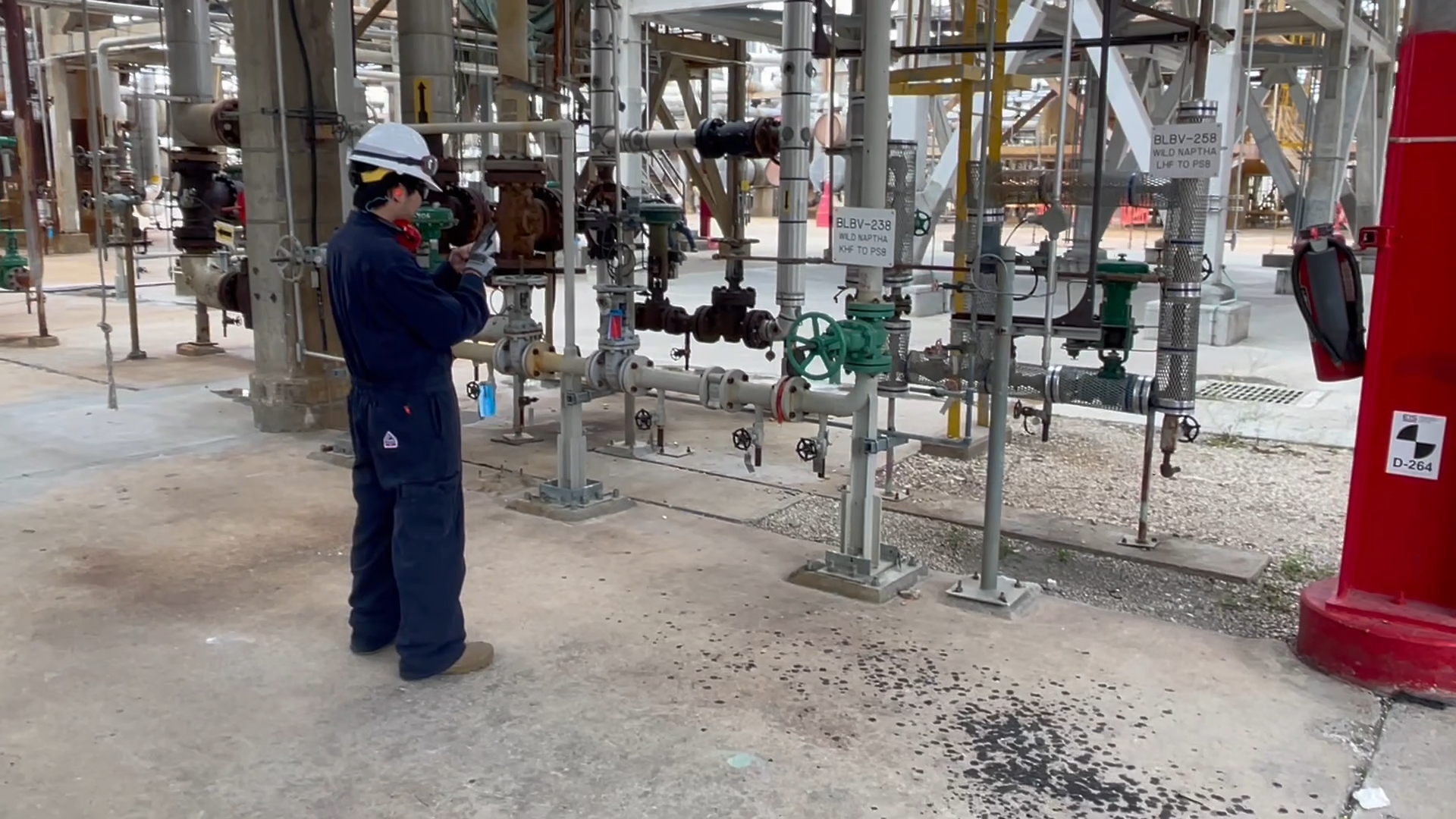
Spatially grounded semanticsEach point carries a descriptor for geometry, material and context. Understand objects, materials, and relationships in their real-world context, with insights tied to precise 3D locations and traceable to the underlying geometry and imagery.
-
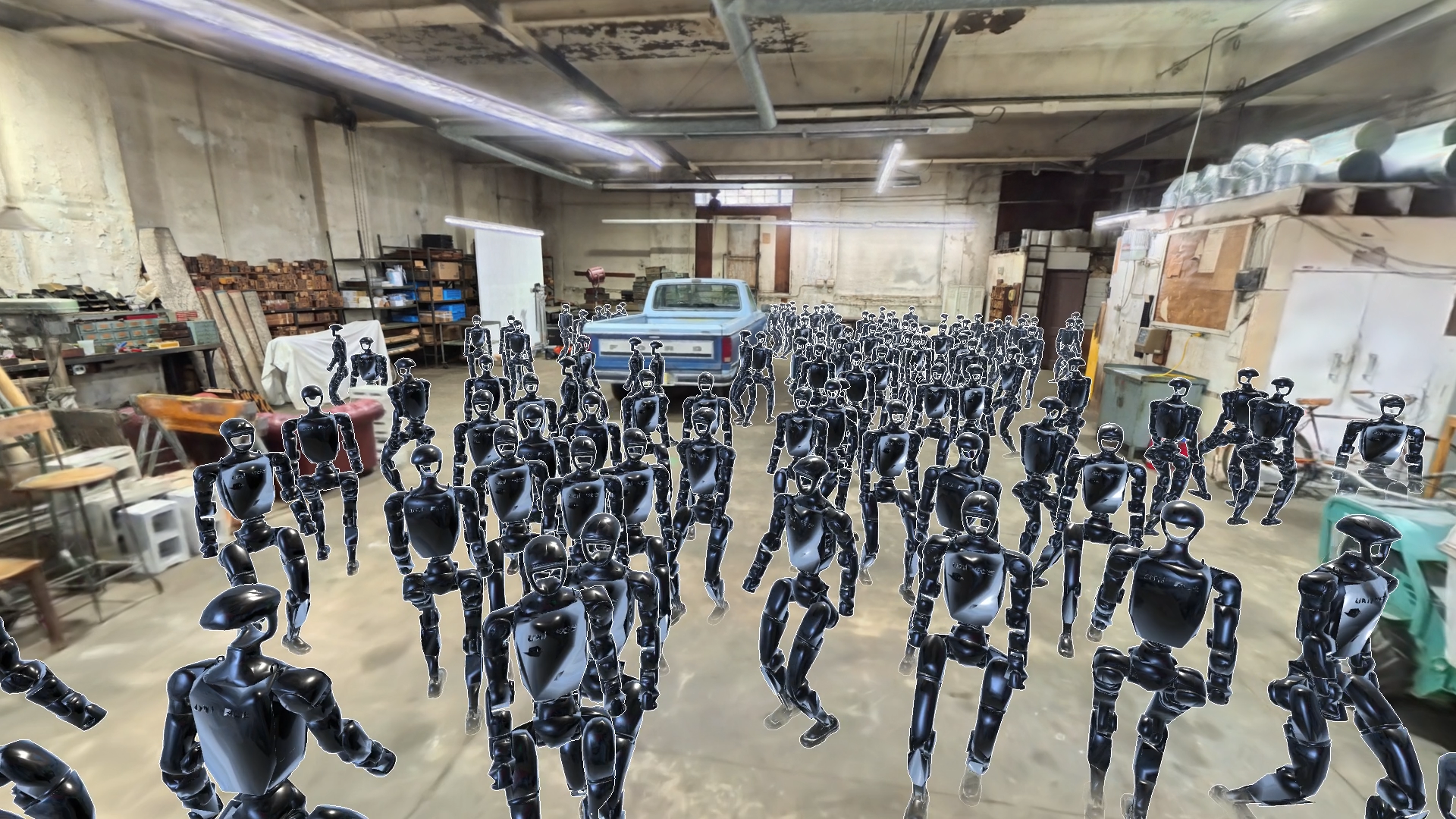
Open-vocabulary understandingMove beyond predefined categories to query specific objects and concepts in natural language, and reason about their spatial relationships, not just recognize their presence.
-
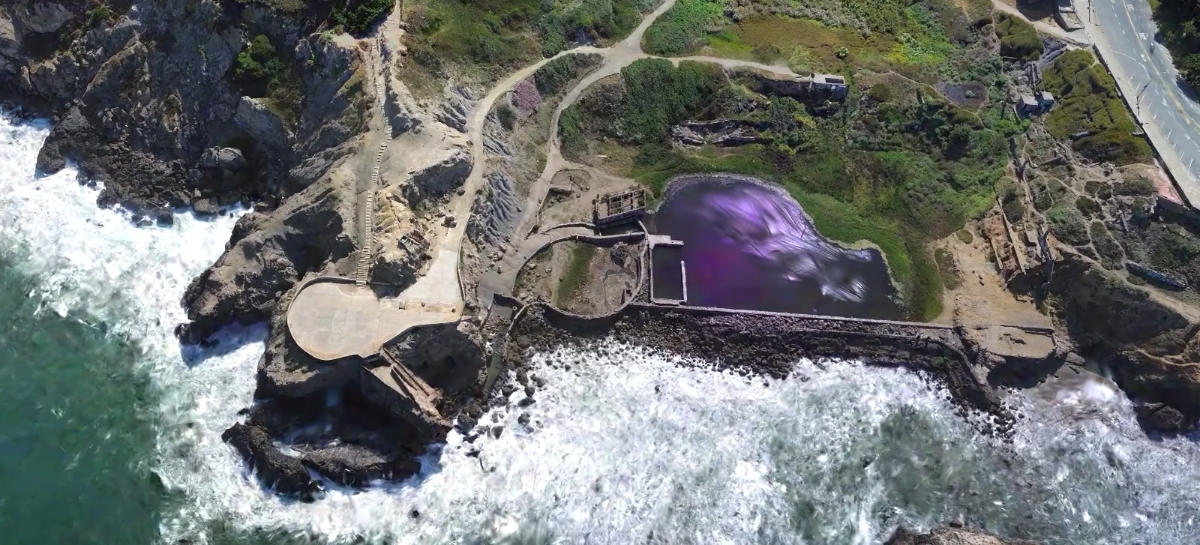
Change over timeCompare captures to investigate what appeared, disappeared, or moved, grounding each change in its location and surrounding context so teams can understand more than a visual difference.
What spatial understanding makes possible
Industries we support
Frequently Asked Questions
What is semantic 3D understanding?
It adds meaning to a reconstructed environment, not just geometry. Each 3D point carries information about geometry, material and context, creating maps that people, machines and AI agents can query.
What are open-set semantics?
They let a system recognize concepts beyond a fixed list of categories, adapting to new concepts without retraining. That suits open-ended questions about real environments.
Can I query a 3D model in natural language?
Yes. Ask open-ended questions, such as where vegetation encroaches on infrastructure or which terrain is traversable, and each answer is tied to a location in the model.
How is this different from object detection?
Object detection assigns predefined labels to regions of 2D images. 3D semantic understanding represents meaning at individual points in a measured environment, relates objects to each other and supports open-ended queries.