 2001–2015
Show milestonesHide milestones
2001Keyhole 設立
2004Keyhole acquired by Google
2005Google Earth and Google Maps launch
2011Google にて、Niantic Labs がインキュベート
Where people and machines work in the real world.
 石油・ガスIntelligent field operations.
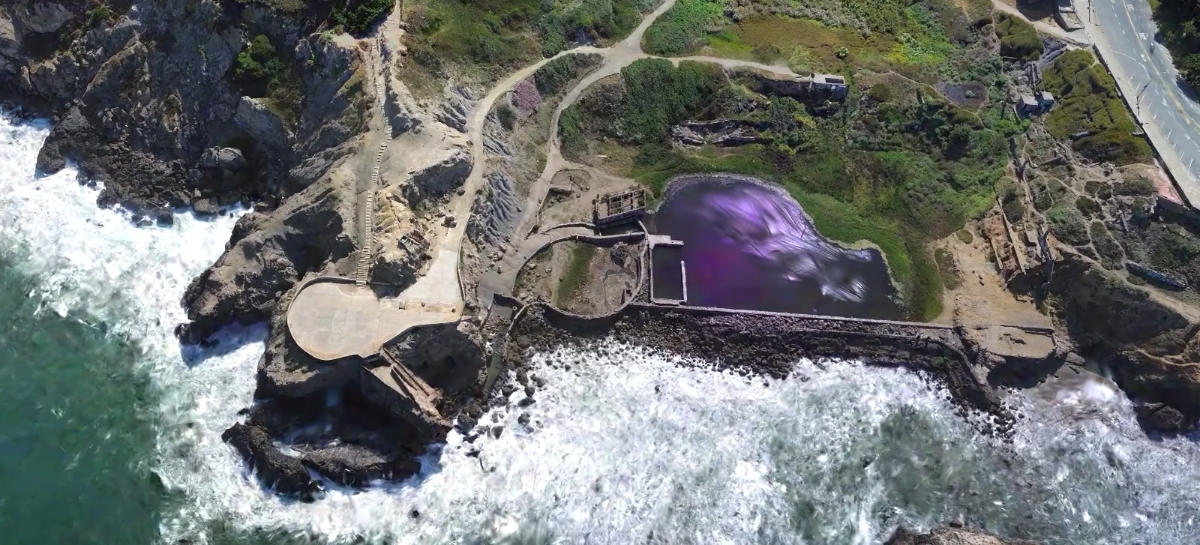 防衛Mission rehearsal and GPS-denied operations.
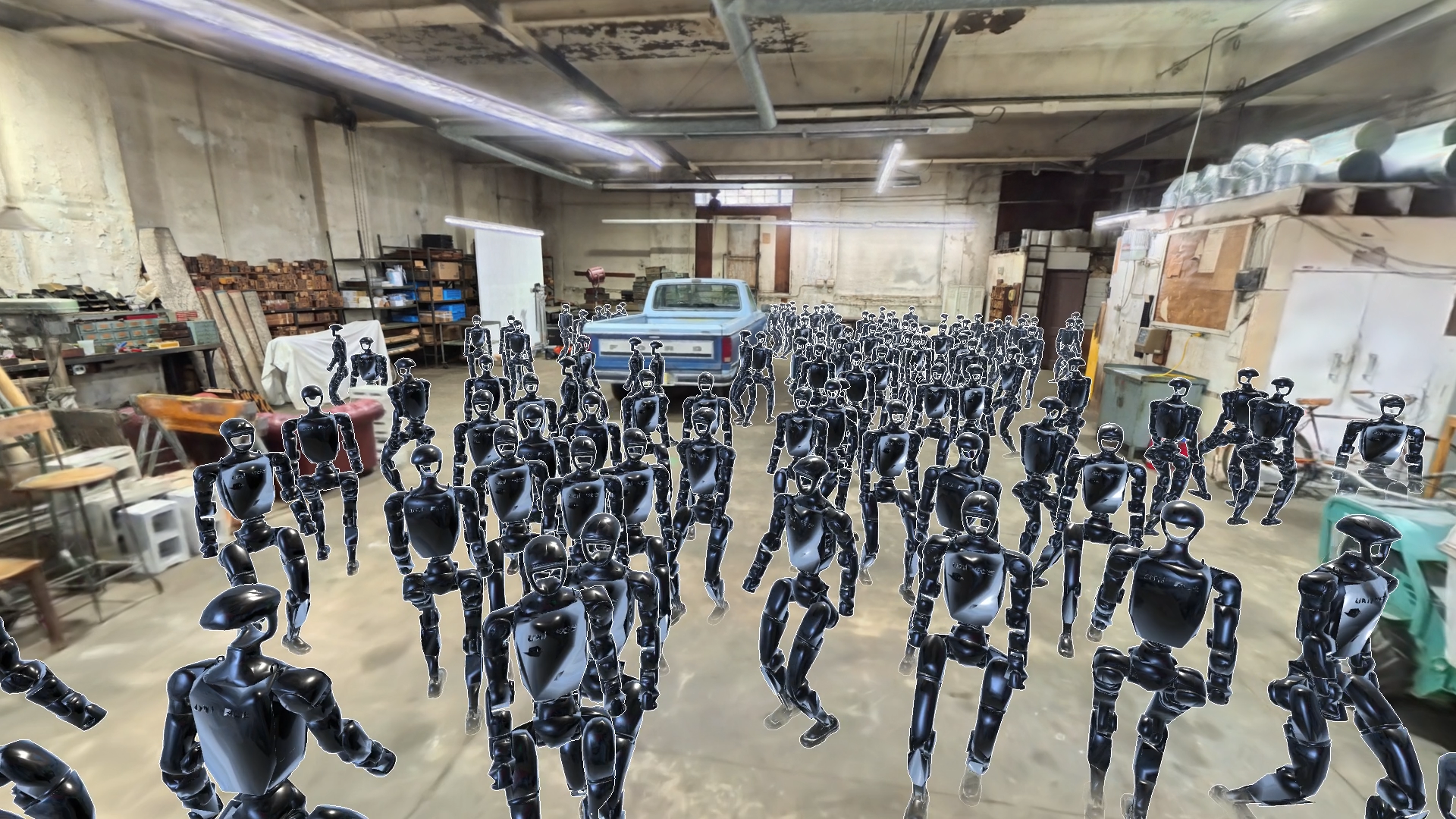 Embodied AIReal-to-sim training for robots.
We’re building a 4D neural database of real places, grounded in place and time, that people and machines can query, learn from and act within.
We build spatial AI models and services so people and machines can reason, learn and act safely in the physical world.
One spatial foundation model learns how physical spaces work. Each place gets its own 4D neural map that stays current as it changes. Together they power reconstruction, localization and understanding.
4D neural mapRefinery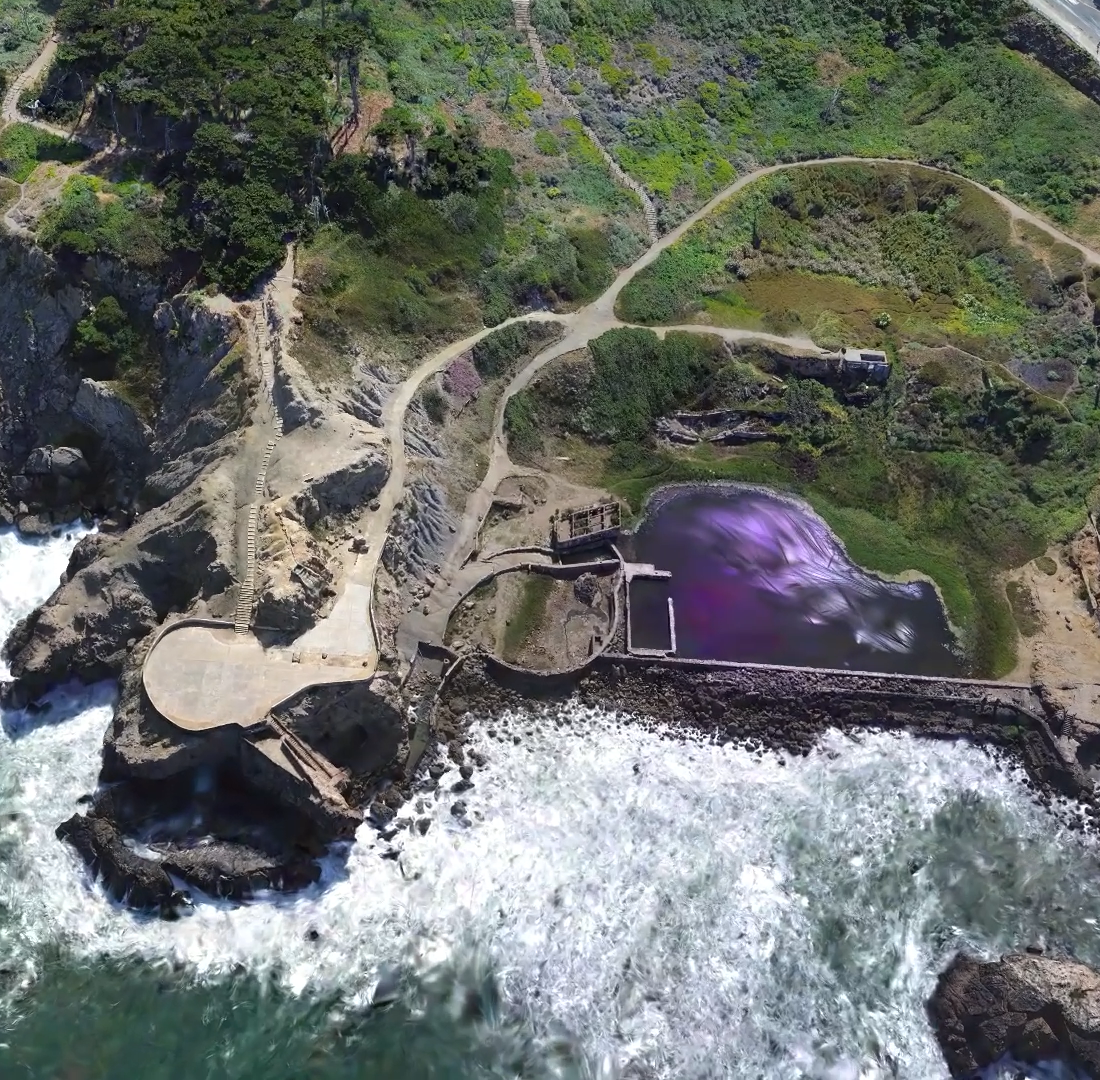 4D neural mapCoastal site4D neural mapWorkshop
Our founding team built Keyhole, grew it into Google Earth and Google Maps, created some of the largest location-based games ever made and pioneered visual positioning at global scale.
2001–2015 2015–2025
 2025–Present
Industrials, defense and robotics: the places where safe autonomy matters most. If it works there, it works anywhere.
Intelligent field operations, at every facility.Existing capture data becomes a current 3D record that crews and machines can search, inspect and act on.Explore oil and gas
One shared 3D picture, even where GPS is jammed.Drone, satellite and ground imagery fused into a 3D common operational picture for rehearsal and missions.Explore defense and intelligence
Train robots in the real place they’ll work.A few minutes of camera footage becomes a photoreal, metric-scale, collider-ready environment for simulation.Explore embodied AI Inhi Cho Suh is the Chief Executive Officer of Niantic Spatial, where she leads the company’s mission to build a Large Geospatial Model (LGM) for the next generation of physical AI. With a career dedicated to solving complex technical challenges, Inhi is responsible for scaling the business as it expands into high-stakes sectors including robotics, defense, and the public sector.
Before joining Niantic Spatial, Inhi was the President of Product, Technology, and Operations at DocuSign, where she led the company’s global expansion into AI-powered intelligent agreement management. Previously, she spent over 20 years at IBM in senior leadership roles, most notably as General Manager of the Big Data and Analytics division. During her tenure at IBM, she was a pioneer in the early commercialization of Hadoop, machine learning, and data governance. Inhi’s leadership is characterized by a commitment to building transformative technology with a focus on its long-term societal impact. She holds a B.S. from Duke University and a J.D. from North Carolina Central University School of Law.
John Hanke is the Founder and Executive Chairman of Niantic Spatial, a geospatial AI company building real-world foundation models for physical AI.
Previously, John was Founder and CEO of Niantic, Inc., where he led the creation of a global geospatial technology platform that powered hit games including Pokémon GO, Pikmin Bloom, Monster Hunter Now, and Ingress. John founded Niantic Labs at Google in 2011 after serving as Vice President of Google’s Geo division, where he led the development of products including Google Maps and Street View. Earlier in his career, he co-founded Keyhole, the digital earth company whose technology became Google Earth.
Brian "Bam" McClendon is the Chief Technology Officer at Niantic Spatial, where he leads the engineering development of the company’s groundbreaking Large Geospatial Model. Building on a legacy of innovation in mapping technologies, Brian is developing a new generation of geospatial maps to transform the way we understand and interact with the physical world.
He previously served as Senior Vice President of Engineering at Niantic Labs. Under his leadership, Niantic advanced its Visual Positioning System (VPS), built upon a precise and detailed 3D map of the world. These innovations enabled developers to create immersive, cross-platform extended reality (XR) experiences that overlay digital content with the physical environment. Brian brings nearly four decades of experience in computer graphics, mapping, computer vision and machine learning, and has made significant contributions to geospatial technology with 40 patents to his name. He began his career at Silicon Graphics Inc. (SGI), where he helped build 3D graphics supercomputers.
In 2001, he co-founded Keyhole, Inc., where he served as Vice President of Engineering before the company was acquired by Google. At Google, Brian spent the next decade leading the Geo engineering team, where he played a key role in the development and evolution of Google Earth, Google Maps, Street View, Local Search, and GroundTruth. Under his leadership, these tools helped map over 220 countries, capture more than 10 million miles of Street View imagery, and serve over 1 billion monthly users — with Google Earth covering more than 36 million square miles of satellite imagery.
After Google, Brian joined Uber as Vice President of Maps and Business Platform, where he continued to advance location-based technologies at global scale. He serves as a research professor at the University of Kansas, his alma mater, and was awarded an honorary doctorate in electrical engineering from the university in 2015. In a fitting tribute to his roots, his childhood home at Meadowbrook Apartments in Lawrence, Kansas was set as the original default center point of Google Earth.
Dave Citron is Chief Product Officer at Niantic Spatial, where he leads product as the company scales spatial AI models and services that let machines reason, learn and act in the physical world.
Dave joined from Microsoft AI, where he was Corporate Vice President of Product on the Superintelligence team and helped build and launch Microsoft’s first frontier foundation models, spanning image, voice, transcription, reasoning, coding and security. At Google DeepMind, he helped scale the Gemini app to hundreds of millions of monthly users and led its expansion into business, enterprise and education.
Earlier at Google, Dave grew Google Meet to more than 450 million monthly users and scaled Google Duo from early stage to 120 million daily active users. He began his career at Microsoft, where he helped take OneDrive from its first release to more than 200 million monthly users, and eventually led its enterprise and infrastructure products.
Inhi Cho Suh is the Chief Executive Officer of Niantic Spatial, where she leads the company’s mission to build a Large Geospatial Model (LGM) for the next generation of physical AI. With a career dedicated to solving complex technical challenges, Inhi is responsible for scaling the business as it expands into high-stakes sectors including robotics, defense, and the public sector.
Before joining Niantic Spatial, Inhi was the President of Product, Technology, and Operations at DocuSign, where she led the company’s global expansion into AI-powered intelligent agreement management. Previously, she spent over 20 years at IBM in senior leadership roles, most notably as General Manager of the Big Data and Analytics division. During her tenure at IBM, she was a pioneer in the early commercialization of Hadoop, machine learning, and data governance. Inhi’s leadership is characterized by a commitment to building transformative technology with a focus on its long-term societal impact. She holds a B.S. from Duke University and a J.D. from North Carolina Central University School of Law.
John Hanke is the Founder and Executive Chairman of Niantic Spatial, a geospatial AI company building real-world foundation models for physical AI.
Previously, John was Founder and CEO of Niantic, Inc., where he led the creation of a global geospatial technology platform that powered hit games including Pokémon GO, Pikmin Bloom, Monster Hunter Now, and Ingress. John founded Niantic Labs at Google in 2011 after serving as Vice President of Google’s Geo division, where he led the development of products including Google Maps and Street View. Earlier in his career, he co-founded Keyhole, the digital earth company whose technology became Google Earth.
Brian "Bam" McClendon is the Chief Technology Officer at Niantic Spatial, where he leads the engineering development of the company’s groundbreaking Large Geospatial Model. Building on a legacy of innovation in mapping technologies, Brian is developing a new generation of geospatial maps to transform the way we understand and interact with the physical world.
He previously served as Senior Vice President of Engineering at Niantic Labs. Under his leadership, Niantic advanced its Visual Positioning System (VPS), built upon a precise and detailed 3D map of the world. These innovations enabled developers to create immersive, cross-platform extended reality (XR) experiences that overlay digital content with the physical environment. Brian brings nearly four decades of experience in computer graphics, mapping, computer vision and machine learning, and has made significant contributions to geospatial technology with 40 patents to his name. He began his career at Silicon Graphics Inc. (SGI), where he helped build 3D graphics supercomputers.
In 2001, he co-founded Keyhole, Inc., where he served as Vice President of Engineering before the company was acquired by Google. At Google, Brian spent the next decade leading the Geo engineering team, where he played a key role in the development and evolution of Google Earth, Google Maps, Street View, Local Search, and GroundTruth. Under his leadership, these tools helped map over 220 countries, capture more than 10 million miles of Street View imagery, and serve over 1 billion monthly users — with Google Earth covering more than 36 million square miles of satellite imagery.
After Google, Brian joined Uber as Vice President of Maps and Business Platform, where he continued to advance location-based technologies at global scale. He serves as a research professor at the University of Kansas, his alma mater, and was awarded an honorary doctorate in electrical engineering from the university in 2015. In a fitting tribute to his roots, his childhood home at Meadowbrook Apartments in Lawrence, Kansas was set as the original default center point of Google Earth.
Dave Citron is Chief Product Officer at Niantic Spatial, where he leads product as the company scales spatial AI models and services that let machines reason, learn and act in the physical world.
Dave joined from Microsoft AI, where he was Corporate Vice President of Product on the Superintelligence team and helped build and launch Microsoft’s first frontier foundation models, spanning image, voice, transcription, reasoning, coding and security. At Google DeepMind, he helped scale the Gemini app to hundreds of millions of monthly users and led its expansion into business, enterprise and education.
Earlier at Google, Dave grew Google Meet to more than 450 million monthly users and scaled Google Duo from early stage to 120 million daily active users. He began his career at Microsoft, where he helped take OneDrive from its first release to more than 200 million monthly users, and eventually led its enterprise and infrastructure products.
The places we model are real, and so are the people in them. We earn trust by keeping customer data under customer control, measuring what is there rather than inventing it, and working with every partner to ensure our technology upholds human rights and ethical principles.
Read our responsible innovation policy